
Stem Cell Therapy in Seminole County offers a promising approach to managing knee pain related to arthritis and injury. This page explores how regenerative medicine is being applied within Seminole County cities like Sanford, Lake Mary, and Altamonte Springs. It highlights therapy basics, local considerations, costs, and patient scenarios relevant to this community. If you live in Seminole County and seek alternatives to surgery, understanding stem cell options here can guide your treatment decisions.
What Is Stem Cell Therapy?
Regenerative injection therapy for the knee involves injecting biologic substances such as stem cells or platelet-rich plasma to support tissue repair and reduce inflammation. This therapy aims to improve knee function without surgery by encouraging the body’s natural healing processes.
How Much Does Stem Cell Therapy Cost in Seminole County?
In Seminole County, regenerative injection therapy for the knee generally costs between $3,000 and $8,000 per knee. Pricing reflects the complexity of biologic preparation and local market factors. Insurance coverage is limited, so many patients consider financing options to manage out-of-pocket expenses.
How Common Is Knee Arthritis in Seminole County?
Knee arthritis affects approximately 24% of Florida adults, including many in Seminole County. The state’s aging population, with 21.8% over age 65, contributes to a high demand for joint care. Nationally, more than 800,000 total knee replacements occur annually, highlighting the burden of severe knee arthritis.
When Should You Consider Stem Cell Therapy Right Now?
Determining when regenerative injection therapy is appropriate depends on individual circumstances common in Seminole County. The following scenarios illustrate typical cases where this treatment may be considered.
Active lifestyle knee discomfort from Seminole County recreational sports
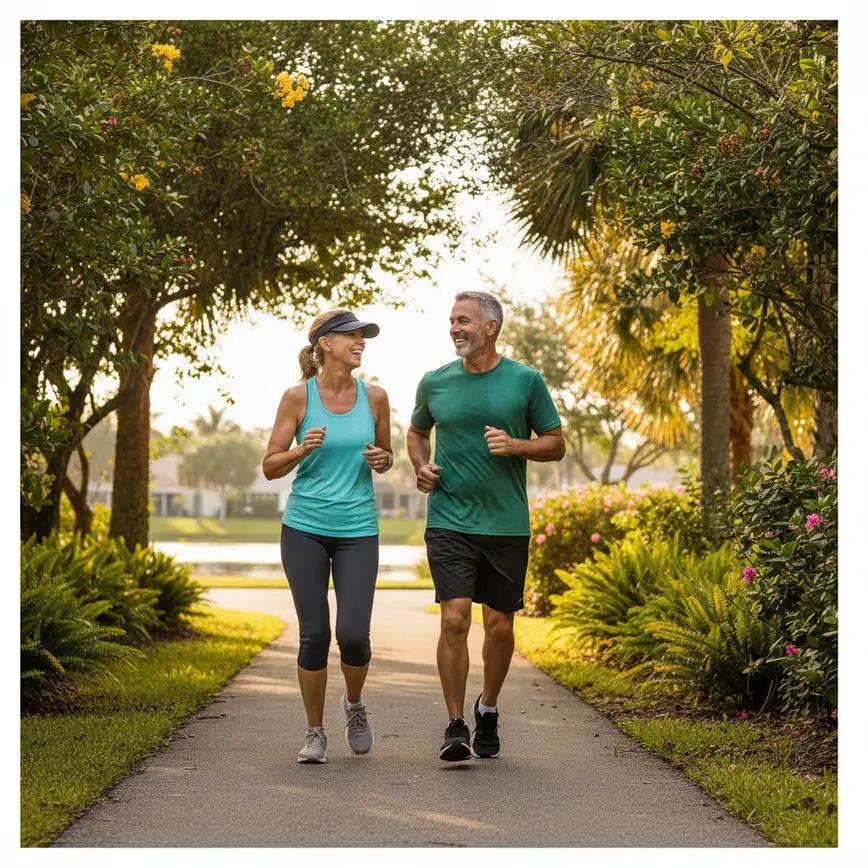
Residents engaging in Seminole County outdoor activities like running and tennis often experience knee pain from overuse or minor injuries. Regenerative injections can support healing and reduce downtime for these active individuals.
Early osteoarthritis diagnosis in Seminole County seniors
With an aging population in Seminole County, early-stage knee osteoarthritis is prevalent. Injections may provide symptom relief and functional improvement before considering surgical options.
Post-injury knee inflammation among Seminole County workers
Seminole County workers with knee injuries from physical labor may benefit from regenerative therapy to manage inflammation and promote tissue repair, aiding in quicker return to work.
Patients seeking surgery alternatives near Seminole County medical centers
Some Seminole County patients prefer less invasive options than total knee replacement. Regenerative injections offer a potential pathway to delay surgery while managing symptoms.
Rehabilitation adjunct for knee pain in Seminole County physical therapy programs
Regenerative therapies in Seminole County may be integrated with physical therapy to enhance recovery outcomes for patients with chronic knee conditions.
Explore Seminole County Stem Cell Options
The free knee screening is available to a limited number of qualifying patients each month at Revive by MWS, 920 E Dixie Ave Suite A, Leesburg, FL 34748.
Regenerative Therapy vs Total Knee Replacement in Seminole County?
Comparing regenerative injection therapy with total knee replacement can help Seminole County patients understand options based on invasiveness, recovery time, and potential benefits.
| Factor | Regenerative Injection Therapy | Total Knee Replacement |
|---|---|---|
| Procedure type | Outpatient injection at the Leesburg clinic, no incision | Major surgery, hospital stay typically 1 to 3 days |
| Recovery timeline | Most patients return to daily activity within a few days; no incision or hospital stay | Initial recovery 6 to 12 weeks, full recovery up to 1 year per AAOS OrthoInfo |
| Activity restrictions | None imposed by the procedure itself | Permanent restrictions on high-impact activity such as running and jumping |
| FDA regulatory status | Not FDA-approved, considered investigational | FDA-cleared implants and long-established surgical procedure |
| Evidence quality | 2025 Cochrane review: may modestly improve knee pain and function; low-to-moderate certainty | Decades of clinical outcome data; established for advanced arthritis |
| Reversibility | Does not remove the option of surgery later | Permanent joint replacement; can only be revised, not undone |
| Insurance coverage | Typically not covered | Usually covered for qualifying advanced osteoarthritis |
| Out-of-pocket cost | $3,000 to $8,000 per knee; financing plans available over 12 to 24 months | $30,000 to $50,000 total procedure cost, typically covered by Medicare or private insurance after deductible |
| Complication risk | Injection-site soreness or swelling is common; serious infection is rare | Approximately 1% risk of surgical-site infection, 1% risk of blood clot, 5 to 10% overall complication rate per AAOS OrthoInfo |
| Long-term durability | Can be repeated as needed; no permanent hardware in the joint | Implant lifespan typically 15 to 20 years per AAOS OrthoInfo; revision surgery required at end of implant life |
| Best candidate | Mild to moderate arthritis, active adult, wants to avoid or delay surgery | Advanced bone-on-bone arthritis, failed conservative treatment, ready for permanent solution |
How Does the Procedure Work?
At the Seminole County clinic, regenerative injection therapy involves a personalized approach. After screening, the practitioner harvests biologic material, prepares it onsite, and injects it precisely into the knee joint. Patient progress is monitored through follow-up visits to optimize outcomes.
How Do You Vet a Regenerative Medicine Clinic?
To avoid fraudulent regenerative clinics in Seminole County, patients should carefully verify provider credentials and treatment claims before proceeding.
Common Questions About Stem Cell Therapy in Seminole County
In Seminole County, stem cell therapy for knee conditions is considered investigational by the FDA. This means it is not yet approved as a standard treatment and is primarily offered in clinical or research settings.
Evidence from a Cochrane 2025 review shows potential benefits but indicates that regenerative therapy effectiveness varies. Seminole County patients should discuss realistic expectations with their providers.
Risks include infection, pain at the injection site, and no guaranteed improvement. Seminole County clinics follow strict protocols to minimize complications.
Most insurance plans in Seminole County do not cover regenerative knee injections, so patients often pay out-of-pocket or use financing options.
Recovery typically involves several days of rest with gradual return to activity. Seminole County providers tailor post-treatment plans to individual patient needs.
For some Seminole County patients, regenerative injections may reduce symptoms and delay the need for total knee replacement, but results vary.
Several clinics in Seminole County cities like Sanford and Lake Mary offer consultations to evaluate candidacy for regenerative knee treatments.
Cities in Seminole County
Explore regenerative therapy options across Seminole County’s main cities, including Sanford, Lake Mary, Altamonte Springs, Casselberry, Longwood, Oviedo, and Winter Springs. Each location provides access to personalized knee care.
← Back to Stem Cell Therapy in Central Florida (hub)
Start Your Knee Care Journey Today
Revive by MWS is located at 920 E Dixie Ave Suite A, Leesburg, FL 34748. The screening is available to a limited number of qualifying patients each month and includes candidacy review, imaging discussion, and a clear conversation about whether regenerative therapy fits your case.
What Sources Support This Page?
Education only. Not medical advice. Stem cell and exosome injections for knee osteoarthritis are not FDA-approved and are considered investigational. Individual results vary. Consult a licensed medical provider about your specific case.