
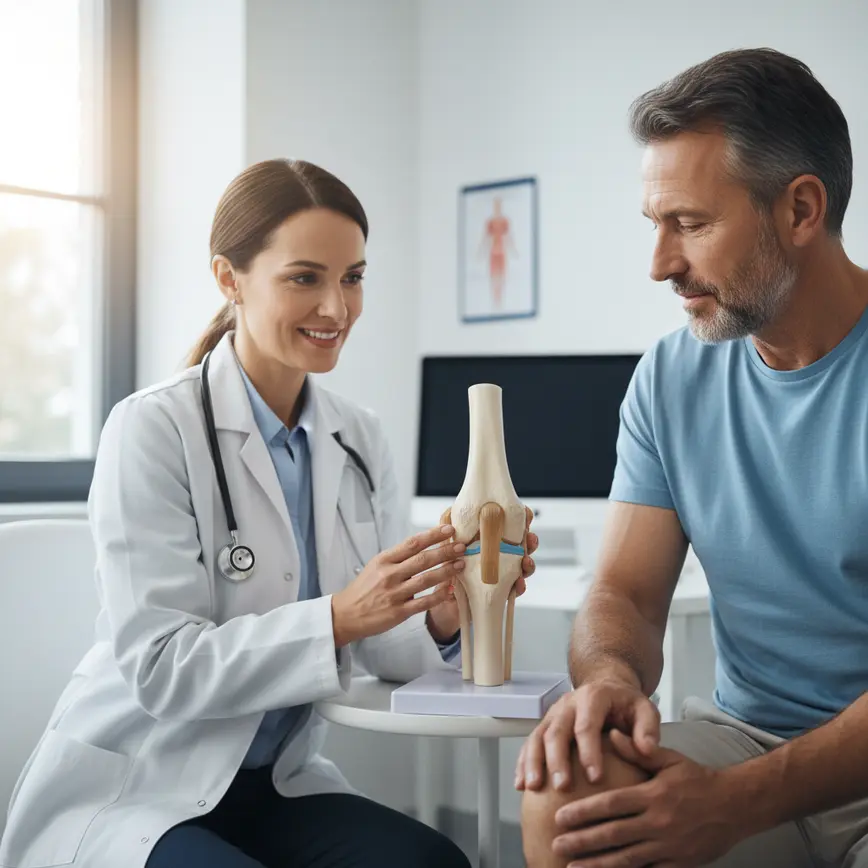

PRP Therapy in Seminole County offers an innovative approach to managing knee pain by utilizing your body’s own platelets to promote healing. This page provides detailed information on how PRP therapy could be a viable option for residents in Sanford, Lake Mary, Altamonte Springs, Casselberry, Longwood, Oviedo, and Winter Springs seeking alternatives to traditional treatments. Learn about its potential benefits, limitations, and local context for knee pain relief within Seminole County.
What Is PRP Therapy?
Regenerative injection therapy for the knee involves injecting biologic substances such as platelet-rich plasma (PRP) directly into the joint to encourage natural tissue repair. This treatment targets knee pain caused by osteoarthritis or injury, aiming to reduce inflammation and improve function without surgery.
How Much Does PRP Therapy Cost in Seminole County?
In Seminole County, the cost for regenerative injection therapies like PRP typically ranges from $3,000 to $8,000 per knee. Pricing reflects the complexity of the procedure and biologic materials used, with some patients exploring financing options due to limited insurance coverage for investigational treatments.
How Common Is Knee Arthritis in Seminole County?
Knee arthritis significantly impacts Florida, including Seminole County, where the adult population faces this common joint condition. With Florida’s aging demographic and activity levels, understanding local arthritis burden is critical for targeted treatment approaches.
When Should You Consider PRP Therapy Right Now?
PRP therapy may be considered in various knee pain scenarios common among Seminole County residents. The following examples illustrate potential local applications based on activity levels and severity of joint symptoms.
Active Recreational Runners in Sanford
Seminole County’s Sanford area hosts many recreational runners experiencing knee strain or early osteoarthritis. PRP therapy can be explored to potentially reduce inflammation and support recovery without interrupting active lifestyles.
Middle-Aged Professionals in Lake Mary with Early Arthritis
Professionals in Lake Mary often seek non-surgical options for managing early knee osteoarthritis symptoms. PRP injections may offer a minimally invasive approach to improve joint comfort and mobility during work and daily activities.
Older Adults in Altamonte Springs Facing Mobility Challenges
Altamonte Springs has a significant older adult population who may experience knee pain limiting mobility. PRP therapy might help reduce discomfort and enhance function, potentially delaying more invasive interventions.
Weekend Athletes in Casselberry Recovering from Knee Injury
Casselberry’s active weekend athletes recovering from knee injuries may consider PRP injections to support natural healing processes and facilitate a safer return to sports.
Adults in Oviedo Managing Chronic Knee Pain
Chronic knee pain is prevalent among Oviedo residents. PRP therapy offers a potential adjunct to conventional care, aiming to alleviate symptoms and improve quality of life without immediate surgery.
Explore PRP Therapy Options in Seminole County
The free knee screening is available to a limited number of qualifying patients each month at Revive by MWS, 920 E Dixie Ave Suite A, Leesburg, FL 34748.
Regenerative Therapy vs Total Knee Replacement in Seminole County?
Below is a comparison table to help Seminole County residents understand key differences between regenerative therapies like PRP and total knee replacement surgery, aiding informed decision-making.
| Factor | Regenerative Injection Therapy | Total Knee Replacement |
|---|---|---|
| Procedure type | Outpatient injection at the Leesburg clinic, no incision | Major surgery, hospital stay typically 1 to 3 days |
| Recovery timeline | Most patients return to daily activity within a few days; no incision or hospital stay | Initial recovery 6 to 12 weeks, full recovery up to 1 year per AAOS OrthoInfo |
| Activity restrictions | None imposed by the procedure itself | Permanent restrictions on high-impact activity such as running and jumping |
| FDA regulatory status | Not FDA-approved, considered investigational | FDA-cleared implants and long-established surgical procedure |
| Evidence quality | 2025 Cochrane review: may modestly improve knee pain and function; low-to-moderate certainty | Decades of clinical outcome data; established for advanced arthritis |
| Reversibility | Does not remove the option of surgery later | Permanent joint replacement; can only be revised, not undone |
| Insurance coverage | Typically not covered | Usually covered for qualifying advanced osteoarthritis |
| Out-of-pocket cost | $3,000 to $8,000 per knee; financing plans available over 12 to 24 months | $30,000 to $50,000 total procedure cost, typically covered by Medicare or private insurance after deductible |
| Complication risk | Injection-site soreness or swelling is common; serious infection is rare | Approximately 1% risk of surgical-site infection, 1% risk of blood clot, 5 to 10% overall complication rate per AAOS OrthoInfo |
| Long-term durability | Can be repeated as needed; no permanent hardware in the joint | Implant lifespan typically 15 to 20 years per AAOS OrthoInfo; revision surgery required at end of implant life |
| Best candidate | Mild to moderate arthritis, active adult, wants to avoid or delay surgery | Advanced bone-on-bone arthritis, failed conservative treatment, ready for permanent solution |
How Does the Procedure Work?
At our Seminole County clinic, PRP therapy begins with a blood draw followed by processing to concentrate platelets. The prepared PRP is then injected precisely into the knee joint using image guidance. Sessions typically last under an hour with scheduled follow-ups to monitor progress and optimize recovery.
How Do You Vet a Regenerative Medicine Clinic?
When considering regenerative clinics in Seminole County, vigilance is essential to avoid misleading claims. Evaluate providers carefully to ensure safe, ethical care aligned with current standards.
Common Questions About PRP Therapy in Seminole County
In Seminole County, as in all US locations, PRP therapy is considered an investigational treatment by the FDA. It is not officially approved as a cure for knee pain or arthritis but is used off-label based on emerging evidence and patient preference.
Seminole County patients typically begin noticing improvements in knee pain and function within a few weeks to months after PRP therapy, depending on individual healing response and severity of joint damage.
Most patients in Seminole County report mild discomfort during PRP injections. Local anesthesia and ultrasound guidance help minimize pain and improve precision during the procedure.
While PRP therapy can be offered in Seminole County for various arthritis stages, those with advanced joint deterioration may have limited benefit and should discuss surgical options with their provider.
Currently, most insurance plans in Seminole County do not cover regenerative injections like PRP, considering them investigational. Patients often pay out-of-pocket or seek financing options.
The number of PRP treatments varies for Seminole County residents, generally ranging from one to three sessions spaced weeks apart, depending on symptom severity and treatment response.
PRP therapy is commonly considered for adult patients in Seminole County experiencing knee pain, with special evaluation for older adults to ensure safety and appropriateness of treatment.
Cities in Seminole County
We serve multiple cities within Seminole County, including Sanford, Lake Mary, Altamonte Springs, Casselberry, Longwood, Oviedo, and Winter Springs. Each location benefits from tailored regenerative medicine options to address knee pain.
← Back to PRP Therapy in Central Florida (hub)
Schedule Your Seminole County Consultation Today
Revive by MWS is located at 920 E Dixie Ave Suite A, Leesburg, FL 34748. The screening is available to a limited number of qualifying patients each month and includes candidacy review, imaging discussion, and a clear conversation about whether regenerative therapy fits your case.
What Sources Support This Page?
Education only. Not medical advice. Stem cell and exosome injections for knee osteoarthritis are not FDA-approved and are considered investigational. Individual results vary. Consult a licensed medical provider about your specific case.